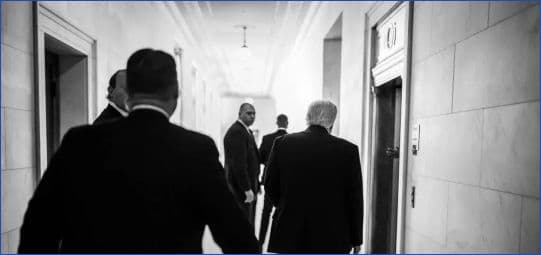
WASHINGTON, DC – The U.S. Supreme Court on April 1 is hearing arguments in a closely watched challenge to President Donald Trump’s executive order seeking to end birthright citizenship, with Trump himself in attendance at the court proceedings, underway at press time.
The case centers on Trump’s attempt to reinterpret the 14th Amendment, which has long been understood to guarantee automatic citizenship to nearly all children born on U.S. soil, regardless of their parents’ immigration status.
Trump has repeatedly framed his argument in historical terms. “It had to do with the babies of slaves and the protection of the babies of slaves,” he has argued. Calling the current system deeply flawed, Trump said, “We’re getting all of these people… saying, congratulations, your whole family is going to be a citizen of the United States of America.”
Trump also took aim at the judiciary, arguing that judges appointed by Democratic presidents are predisposed to rule against him. “You can have the greatest case ever… they’re going to rule against you,” he said, contrasting them with Republican-appointed judges, who he said often “want to show how honorable they are” by ruling independently.
The administration’s order would deny citizenship to children born in the United States after February 19, 2025, if neither parent is a U.S. citizen or lawful permanent resident. Lower courts have blocked the policy, setting the stage for the Supreme Court’s review.
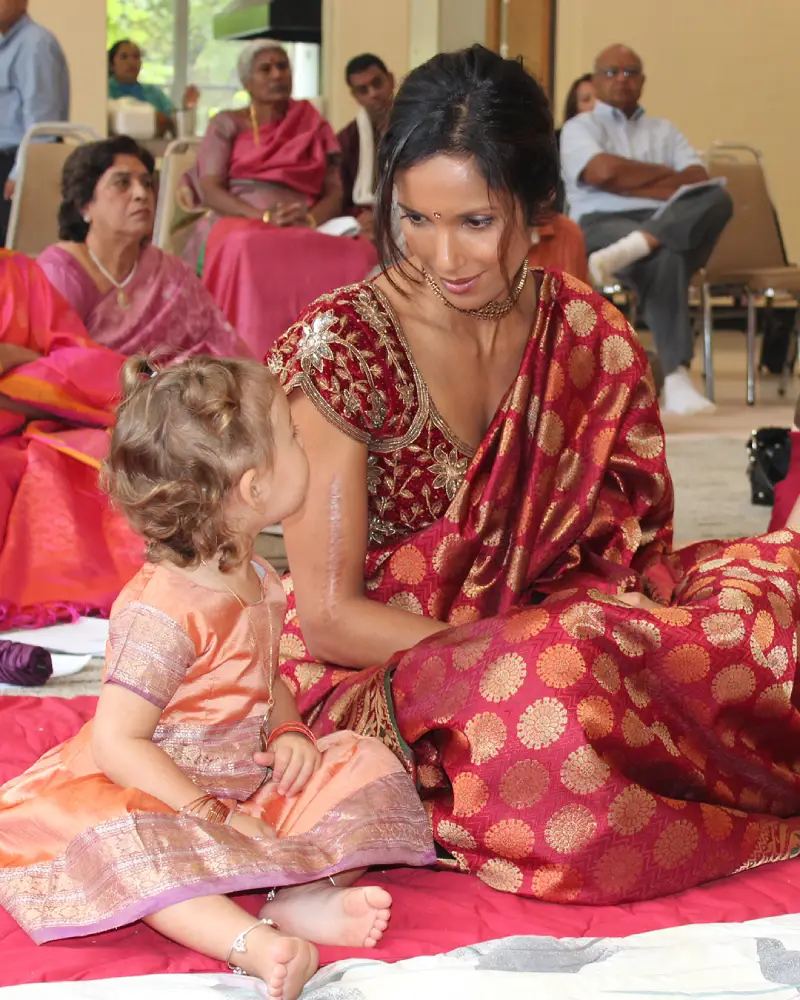
Opponents of the order argue that the Constitution is unambiguous. In a New York Times opinion column published April 1, author and television host Padma Lakshmi described birthright citizenship as “a centuries-old tradition” and “a constitutional safeguard that has shaped America for generations.”
Lakshmi wrote that the principle “provides certainty, and that certainty is what propels people to invest in their communities, to innovate and ultimately to create traditions that become unmistakably American.” She emphasized that the concept predates the Constitution and was codified after the Civil War to correct the injustice of the Dred Scott decision.
“At stake is more than a legal case — birthright citizenship gets at the heart of American values and culture,” she wrote in the NYT, arguing that the administration is attempting to frame it as a loophole rather than a foundational guarantee. Lakshmi warned that ending the policy would “create a mess of legal and logistical consequences,” placing “hundreds of thousands of children… into legal limbo every year” and potentially creating “a permanent underclass of people born in the country but cut off from the rights that citizenship provides.”
Drawing on her experiences across immigrant communities, Lakshmi linked birthright citizenship to the evolution of American culture itself. “America is interesting and strong because of the contributions of immigrants and their children,” she wrote, adding that the guarantee of citizenship fosters belonging and participation in civic life.
Advocacy groups echoed those concerns. In a statement, Indian American Impact called the executive order “a direct and dangerous assault on the Constitution,” warning it would disproportionately affect South Asian families.
Executive Director Chintan Patel expressed hope that the court would uphold longstanding precedent. He noted that existing immigration backlogs have already left more than one million Indian nationals waiting for green cards, often for decades.
“As a result, many children in our community are born in the United States while their parents are still waiting for permanent residency,” Patel said. “This executive order would strip those children of the citizenship they have always been guaranteed, placing them at risk of legal limbo despite being born on U.S. soil.”
The group warned that ending birthright citizenship would “upend families and destabilize entire communities,” particularly as hundreds of thousands may never receive permanent residency due to systemic delays.
@India-West News Desk